
Banning the IRGC
And mediating Donald Trump’s claim against the BBC

Answering MPs’ questions about the Iran conflict on Monday for more than two hours, Sir Keir Starmer had little more to say than we had heard already:

Meanwhile, the leader of the House of Lords was trying to be helpful. After repeating the prime minister’s statement, Baroness Smith of Basildon was asked by the Conservative peer Lord Leigh of Hurley why the government had not proscribed Iran’s Islamic Revolutionary Guard Corps (IRGC).
That sounded encouraging. But the commitment Smith was referring to was made by the then home secretary Yvette Cooper more than nine months ago.
Hall’s report, published on 19 May 2025, said that parliament had never intended the Terrorism Act 2000 — under which terrorists may be proscribed — to apply to state entities. Although some anti-terrorism powers could be used against state-backed groups such as the IRGC, there were now gaps that needed to be filled.
In her statement to MPs last May, Cooper said:
We are committed to taking forward Mr Hall’s recommendations and… we will draw up new powers, modelled on counter-terrorism powers, in a series of areas to tackle state threats.
Crucially, I can tell the house that we will create a new power of proscription to cover state threats — a power that is stronger than the current National Security Act powers in allowing us to restrict the activity and operations of foreign state-backed organisations in the UK — including new criminal offences for individuals who invite support for or promote the group in question.
Hall had recommended that the home secretary should have a new power to issue what he called a statutory alert and liability threat notice — a “SALT notice” — against a foreign intelligence service.
“I make no observations on whether it should be exercised against the IRGC,” the reviewer added. But issuing a SALT notice might make it harder for such groups to operate in the UK.
“Naming and shaming in a high-profile manner, accompanied by open reasons, can help address attempts at plausible deniability for serious harm caused to the UK or its allies,” Hall said in his report.
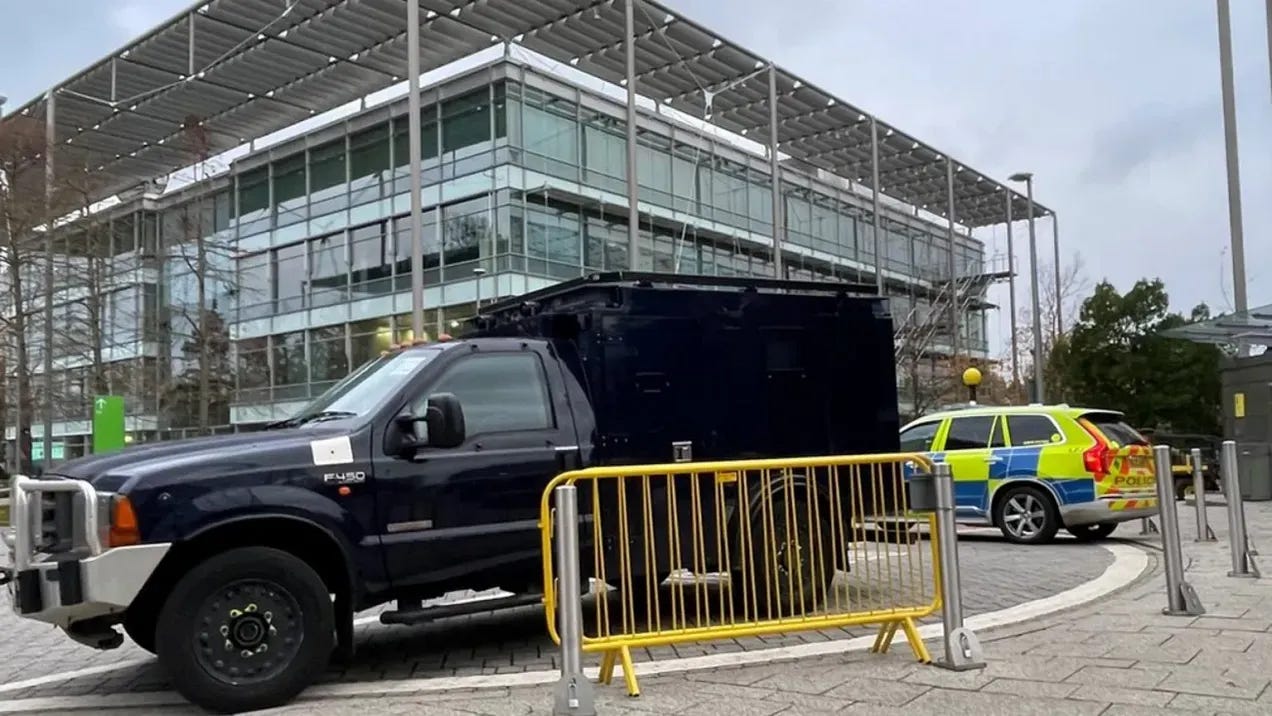
Cordons might be erected to exclude the public from areas being searched by the police for foreign-power threat activity, he suggested. Areas at risk of attack, such as the television station previously operated by opponents of the Iranian regime, might be cordoned off to protect them.
Cooper’s commitment was made last May. In its national security strategy paper, published in June, the government repeated its commitment to “taking forward Hall’s recommendations. It promised “new powers — modelled on counter-terrorism — to tackle state threats”.
Since then, as far as I can see, there has been no further announcement. A promise to implement reforms does not change the law
Trump v BBC
In other news, lawyers for Donald Trump and the BBC have jointly chosen a mediator who will try to resolve the claim brought by the president against the broadcaster over an edition of Panorama that Trump says was defamatory.
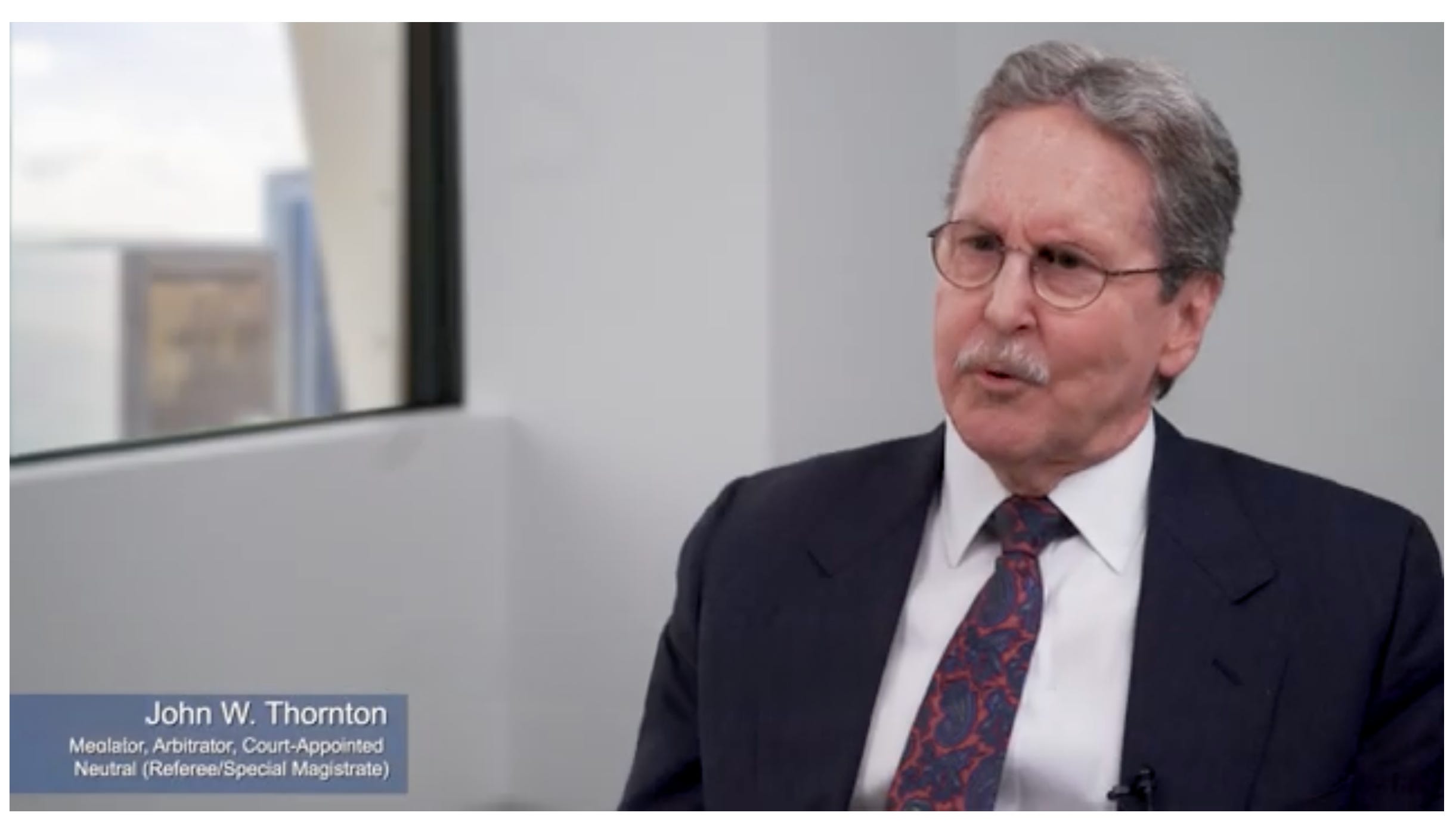
He is John W Thornton, a retired judge of Florida’s 11th judicial circuit.
District Judge Roy K Altman, who’s due to try the multi-billion-dollar claim next February, ordered the parties to choose a mediator by yesterday, failing which one would be assigned to them. A mediator’s job is usually to try to bridge the difference between parties to a dispute, negotiating a compromise that both are willing to accept.
The BBC is expected to file a motion to dismiss Trump’s claim by 17 March. It has been allowed to exceed the normal 20-page limit on these applications by five pages.