
Costly abuse
Private prosecutor ordered to pay defence costs after breaching duty of candour

A pro-Palestinian legal group has been ordered to pay defence costs after the chief magistrate of England and Wales said its attempt to bring a private prosecution against a dual British/Israeli national was “an abuse of the process of this court, driven by an improper motive and facilitated by serious breaches of the duty of candour”.
The group had wanted to prosecute the unnamed man under the Foreign Enlistment Act 1870. But Senior District Judge Goldspring ruled in April that the Victorian criminal legislation “simply does not apply to the facts as alleged”.
Although the would-be prosecutor must pay costs, the judge declined to order the group’s former solicitors and counsel to contribute to the intended defendant’s legal fees.
That came after the solicitors, Bindmans, disclosed that they were conducting an internal review and had reported themselves to their regulator. However, Goldspring said in a preliminary judgment delivered at Westminster Magistrates’ Court on Friday that he was “not entirely convinced that the firm acted to the standard to be expected in relation to disclosure”.
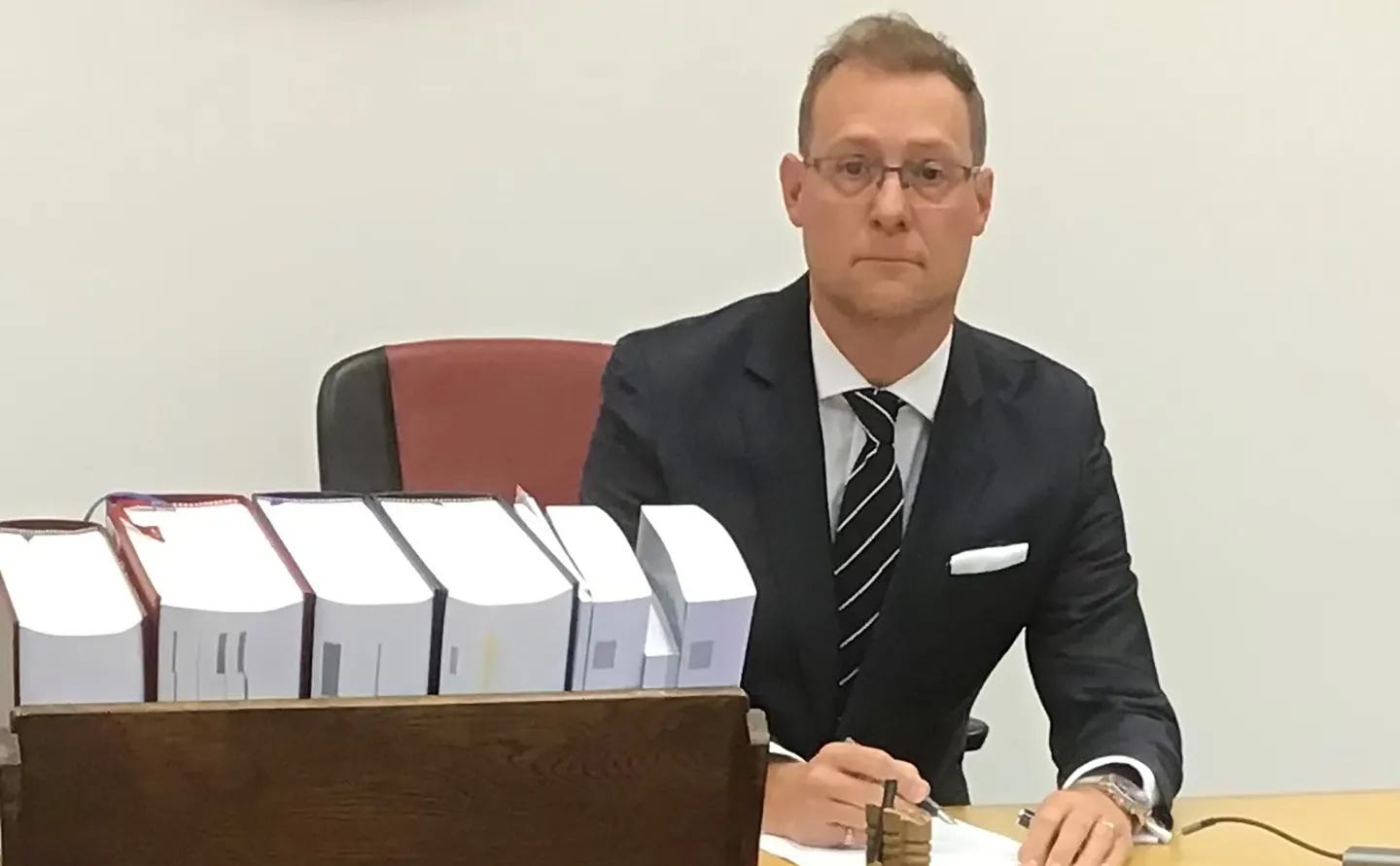
Simon Ray KC, representing the solicitors, told the court that Bindmans could not provide even a partial response to the claims against the firm — much less “tell the whole story” — because its former clients, the International Centre of Justice for Palestinians, had refused to permit this by waiving their privilege.
However, said counsel, “Bindmans are not attempting to avoid scrutiny of the firm’s role in the attempted prosecution… Bindmans have provided the contents of Senior District Judge Goldspring’s judgment to the Solicitors Regulation Authority and obviously will cooperate with any resulting regulatory investigation.”
The International Centre of Justice for Palestinians, which describes itself an an organisation of lawyers, politicians and academics who support and protect the rights of Palestinians through law, apologised both to the court and to the proposed defendant for failing to comply with the duty of candour required of a private prosecutor.
“The ICJP acted in good faith throughout but made significant misjudgements about the material that it was appropriate to disclose on this application,” its new counsel Mark James told the court.
