
Judges at risk
Lady chief justice has ‘grave security concerns’ about judge-only trials

The lady chief justice of England and Wales has said she has “grave security concerns” about circuit judges trying criminal cases in the crown court without juries, which the government is proposing.
Giving her annual news conference at the Royal Courts of Justice, Baroness Carr of Walton-on-the-Hill explained that circuit judges normally entered and left the same court centre on a daily basis — unlike High Court judges who may try the most serious criminal cases at any crown court.
This was her response to a question:
I see it not only as appropriate but my responsibility to make it plain as I can that I have grave security concerns if there are going to be judge-alone trials. As you say, it’s a very different environment to be working in and judges usually sit in one main centre. So they’re going in and out of one centre on a daily basis rather than, for example, High Court judges who will be sitting all around the country, in England and Wales.
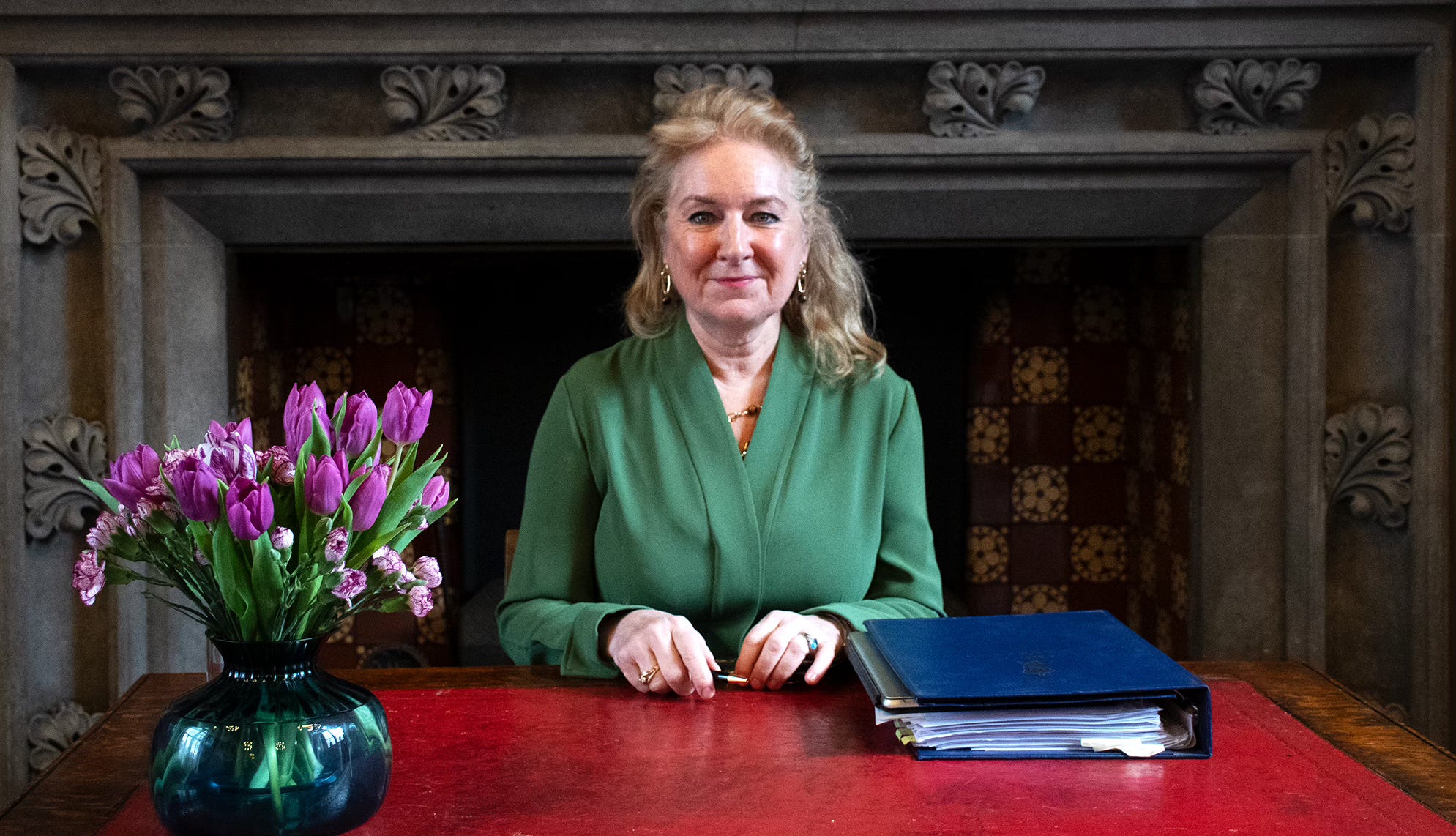
Without going into details of the precautions she is thought to have requested, Carr said she had “made the case very, very strongly” for security to be properly resourced. Asked if the government was listening, she said she had been “assured that that has all been heard and understood, and that the resources will be made available”.
The lady chief justice was particularly concerned about abuse of judges on social media. This was becoming increasingly racist and misogynistic and was difficult to control. She said that Lady Justice Yip, who chairs the judicial security taskforce set up by Carr last year, had been to Canada to assess how the authorities there were monitoring social media abuse of judges.
In England and Wales, the taskforce had already led to improved security at court buildings and better engagement with the police. “We’ve got better response rates, we’ve got better understandings around England and Wales about the importance of judicial security,” she added.
Judges were now given advice on security as part of their training and particular measures were taken for individual judges where appropriate. “We don’t really think about our own security,” Carr said, “and that has had to change.”
Comment
The government’s proposed jury reforms will mean that findings of guilt in cases that are serious enough to result in prison sentences will be made by named judges rather than anonymous juries. Carr commended her colleagues for not commenting publicly on the bill now before parliament. But it was implicit in her responses that some judges had expressed private concerns about their personal safely once the reforms take effect.
I understand some of the concerns about judge only trials but it seems to have been forgotten that professional magistrates (known as stipendiary magistrates when I started practice and now called district judges) have been deciding matters of guilt or innocence and sending people to gaol on the back of those decisions for centuries. They have never been anonymous. Nor for that matter have non professional magistrates who sitting as benches of 3 have fulfilled the same functions.
No-one was ever terribly concerned about their safety so far as I’m aware. I hope that they will be included in any security measures taken in the implementation of whatever changes get through Parliament.
Counsel, and especially prosecutors and unsuccessfull defending counsel. have always been an easy target for angry vengeful families, only lightly protected by the anonymity of a wig. Attackers on judges snd counsel include the famous chap who "jeta un brickbat a le juge, qui le narrowly missed" , and who was forthwith taken out and hanged on the spot.
Numerous cases are held by judges and lawyers in unattended courtrooms inside court centres barely guarded with open barriers at the exit. Despite the alarms which may not be working, it is only a matter of time before some hapless judge or counsel are raped on the bench.
Wake up, HMCTS.