
More work for less pay
Family barristers say that’s the only way they can safeguard vulnerable children

The only attention paid by the government to family legal aid fees over the past three decades has been has been to cut them, the barristers’ leader said this week. Barbara Mills KC, chair of the bar and herself a family lawyer, was introducing a new report on family legal aid called System Overload, published by the Bar Council.
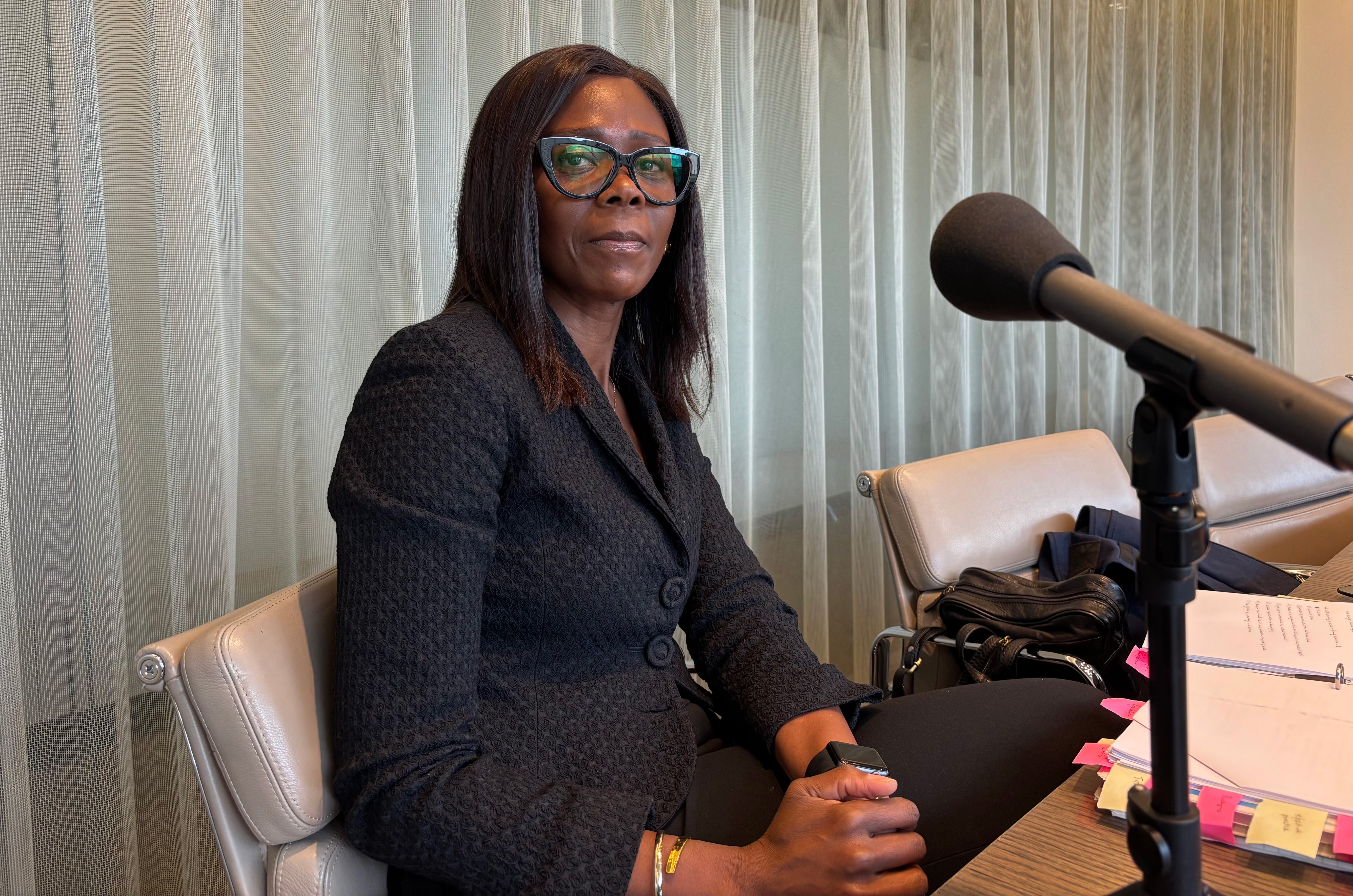
Pay rates are now so low that some barristers feel they can no longer sustain a publicly funded practice, Mills added. “This disincentivises the profession from taking on legal aid work, meaning people are not getting the representation they desperately need.”
Based on findings by the National Audit Office, the Bar Council report says that fees for family legal aid work have eroded to approximately half their value in the 30 years since they were last revised.
It adds:
The impact on barristers has been profound. Long and antisocial working hours have become normalised, with many routinely working 70-hour weeks, including through the night.
The strain of fighting for justice for clients when the decision to properly represent them is to directly undermine one’s own ability to have a reasonable working life takes its toll. Many speak of exhaustion, burnout and a need to do less publicly funded work to make their working lives more tolerable.
Researchers from the Bar Council spoke to almost 100 members of the family bar. More than 80 are named in an annex but comments are not attributed to individuals.
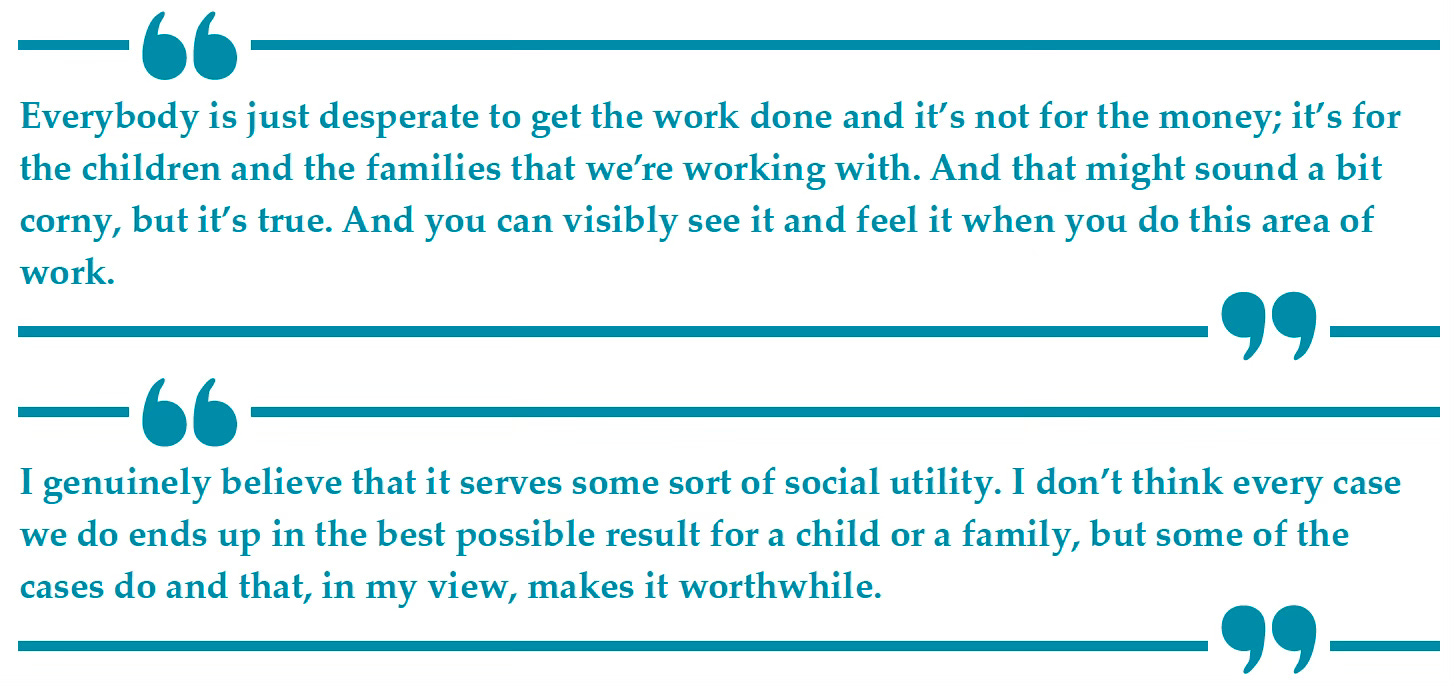
The researchers found commitment and determination, as these responses demonstrate:
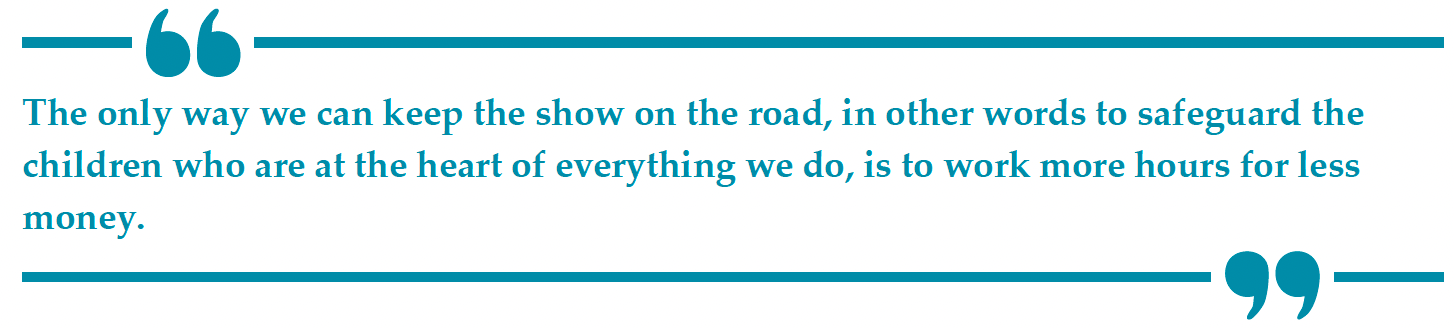
But they also found barristers ground down by the relentless pressure and frustrated that their wellbeing and personal lives were compromised to prop up an overburdened family justice system:
The 39-page report has three main findings:
Remuneration is now insufficient to support family barristers in maintaining a sustainable legal aid practice.
Working conditions and ways of working in the system are intolerable; and the fee schemes do not reflect the changing nature of work.
The financial and systemic pressures on family barristers are having a detrimental effect on their wellbeing.
The Bar Council, which represents nearly 18,000 barristers in England and Wales, argues that the work of family barristers in supporting some of the most vulnerable people in society through legal proceedings needs to be better recognised and appreciated.
As a short term fix, we are calling for an immediate increase in fees paid across the board. This would go some way towards ameliorating the erosion, by approximately 50% since 1996, of the value of fees paid for family work. We are also calling for immediate consideration to be given to funding the areas of work for which the schemes in their present state provide no remuneration.
In the medium term, the family fee schemes need wholesale review to make them fit for purpose. To avoid recurring problems, there should be a commitment to the establishment of an independent pay review body to ensure the regular review of the fee schemes.
We also recommend that public funding for legal representation is made available for all parties in all family proceedings in which domestic abuse is a factor.
The system in which family barristers work must be properly funded on a long-term and sustainable basis. This would require a fee scheme that recognises the complexity of the work that is undertaken, the tasks that barristers are required to undertake, and which increases in line with inflation. We would like to see reasonable working conditions embedded as part of the system design.
If the situation continues to deteriorate, it is only a matter of time before cases are compromised either through a shortage of suitably experienced counsel or because building pressures mean the system is too inadequately resourced to function.
Comment
The report quotes two well-known and profound comments from senior judges.
In 2013, the then president of the High Court family division Sir James Munby spoke about the importance of publicly funded family law work:
Orders of the kind which family judges are typically invited to make in public law proceedings are amongst the most drastic that any judge in any jurisdiction is ever empowered to make.
When a family judge makes an adoption order in relation to a 20-year-old mother’s baby, the mother will have to live with the consequences of that decision for what may be upwards of 60 or even 70 years, and the baby for what may be upwards of 80 or even 90 years.
And Munby’s successor Sir Andrew McFarlane said in 2018 that pressures in the child care system, even then, were“remorseless and relentless”. He continued:
I am genuinely concerned about the long-term well-being of all those who are over-working at this high and unsustainable level. Some have predicted that, if the current situation continues, the family justice system will “collapse” or “fall over”.
But, as I have said before, I do not think systems collapse in these circumstances. Systems simply grind on; it is people who may collapse or fall over. Indeed, that is already happening and I could give you real examples of this happening now.
If that was what was happening then, just imagine what things are like now.
Advice to judges
In a separate development, family judges have been advised that certain areas of work are entirely unremunerated under the current family advocacy scheme. This includes drafting various documents and viewing some recorded evidence.
A letter from leaders of the Family Law Bar Association last month asks judges to keep the limitations of legal aid in mind when listing cases and making directions — “in particular when directing counsel to undertake work for which no remuneration is available”.
I understand that McFarlane agreed that the three-page letter should be sent to all family judges.
thanks for this JR - we always get overlooked by the mainstream media when there is a debate about the creaking justice system so v grateful for you highlighting this - Family Justice has been subjected to as much defunding as everything else. Counsels fees have NEVER - AND I MEAN NEVER - increased over the whole of my career. Family Graduated Fee rates were fixed in 2008 (at less than before) and Ken Clarke slashed them by 10% on day 1 of his unremarkable tenure as LC in 2010 - double the Treasury recommendation simply to impress Cameron - thanks Ken. We are now at 52% of the value in 2008. Many of us represent local authorities seeking to rescue children from the worst form of abuse imaginable and on the other hand represent children and their parents in highly complex litigation which spans the whole of human behaviour. Every case of size comes with 000 of pages of digital material which we are paid ZERO - for examining. What would happen if we all went on strike ? - because I tell you now even the most dedicated and least business like practitioners (and that is a lot of them) are getting to that point. Every LC since Mackay has targeted us for cuts. Bring back Lord Hailsham !
Although my personal situation is a housing possession claim I really do feel that the timing of your posting is of the greatest legal advantage I have had to place what I feel to be unjustifiable to the input of all legal staff who only wish to uphold the true process of justice - no matter what the case and may only empathise with your daily struggle torn between the rights and wrongs of a difficult subject for legal due process. It has taken me some 30 years of bad housing as a single parent trying to remain housed through a series of what can now be proven to be a collective set of circumstances paid through Housing Benefit awards Council Tax Reductions - changes to the now singular Universal Credit scheme from it's very beginning todate through to what now looks like a government awareness and potential direct or indirect involvement in subsidising/funding/facilitating and financing a land grab situation on behalf of landlords in the private rental buy to let housing market since the brokers mortgage lenders and insurance and data agencies broke the banks in 2008 - I have an Assured Short hold Tenancy on such an investment/Accomodation and cannot find a non-complicit legal representative at local level being Southend on Sea (City) Borough Council to Defend my Current Eviction Case and am to attend further hearing as Defendant in Person in the upcoming month and am basing my claim on Fraud with menace - criminality with Tax Payer Service Utilities being Police Ambulance and Fire Service Agencies and a very worrisome National Health Visitation post surgery by District Nurse attending! I am now a retired citizen at the behest of all of the above and will be placing this posting before District Judge attending my upcoming hearing also citing Conflicts of interest by the Claimants and their respective Solicitors! Utmost thanks for your courage giving post - kind regards!