
Other views are available
And here are three of them

Just for a change this Friday, I am bringing you a selection of Substack reports that caught my eye this week. Readers will know that Substack is the platform that enables me to write about the law; it emails each piece I write to everyone who has joined my mailing list, collects payments from those who support the enhanced service and provides a permanent online archive of my work that now goes back nearly six years.
Not a week goes by, it seems, without another journalist or lawyer starting a Substack — though not many of us try to publish every working day. This is my sixth piece in what was, at least in some countries, a holiday week — so perhaps I can be forgiven for not producing a podcast as well.
Substack itself has no editorial involvement in the work it hosts, but it promotes a sense of community and mutual support among its content-creators. Here, then, are the three pieces I have chosen, all loosely linked to law and government in the United Kingdom.
The first is by Adam Wagner KC. It tells the fascinating story of how the Public Order Act 1936 was rushed onto the statute book 90 years ago.

Next, immigration.
The Home Office has been consulting on the design of a new independent appeals body that is to replace the immigration appeal jurisdiction of the first-tier tribunal.
Colin Yeo is a barrister specialising in immigration law. On his Substack, named We Wanted Workers, he argues that everything the government says it wants to do with the new appeals body can be done under the the existing system and that almost nothing ministers are proposing to do will addresses the reasons that appeals currently take so long:

Finally Melanie Phillips, in whom I always declare an interest. On her Substack this week, she asked why voters in yesterday’s elections were apparently being influenced by foreign policy considerations in deciding who should be responsible for bin collections, planning applications and mending potholes.

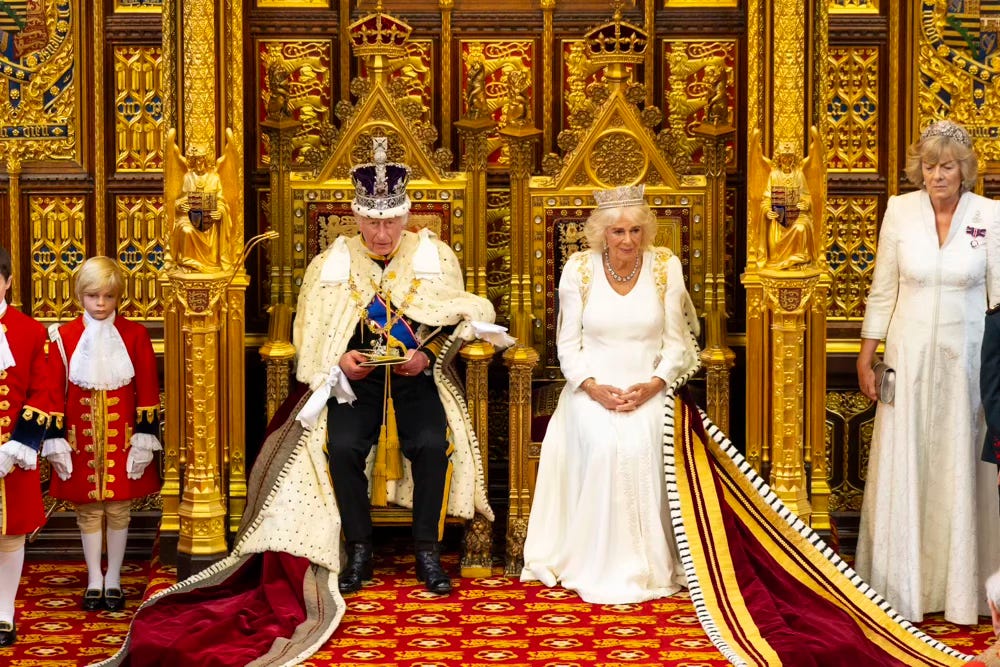
Ministers have been keeping their heads down for the past three weeks; parliament stands prorogued and public bodies were expected to respect what is now called the “pre‑election period of sensitivity”. The new session of parliament will begin next Wednesday when the King outlines his government’s legislative proposals. Stand by for a flood of policy stories in the coming days.