
What’s in a name?
Should we be celebrating the bard of Gray’s Inn?

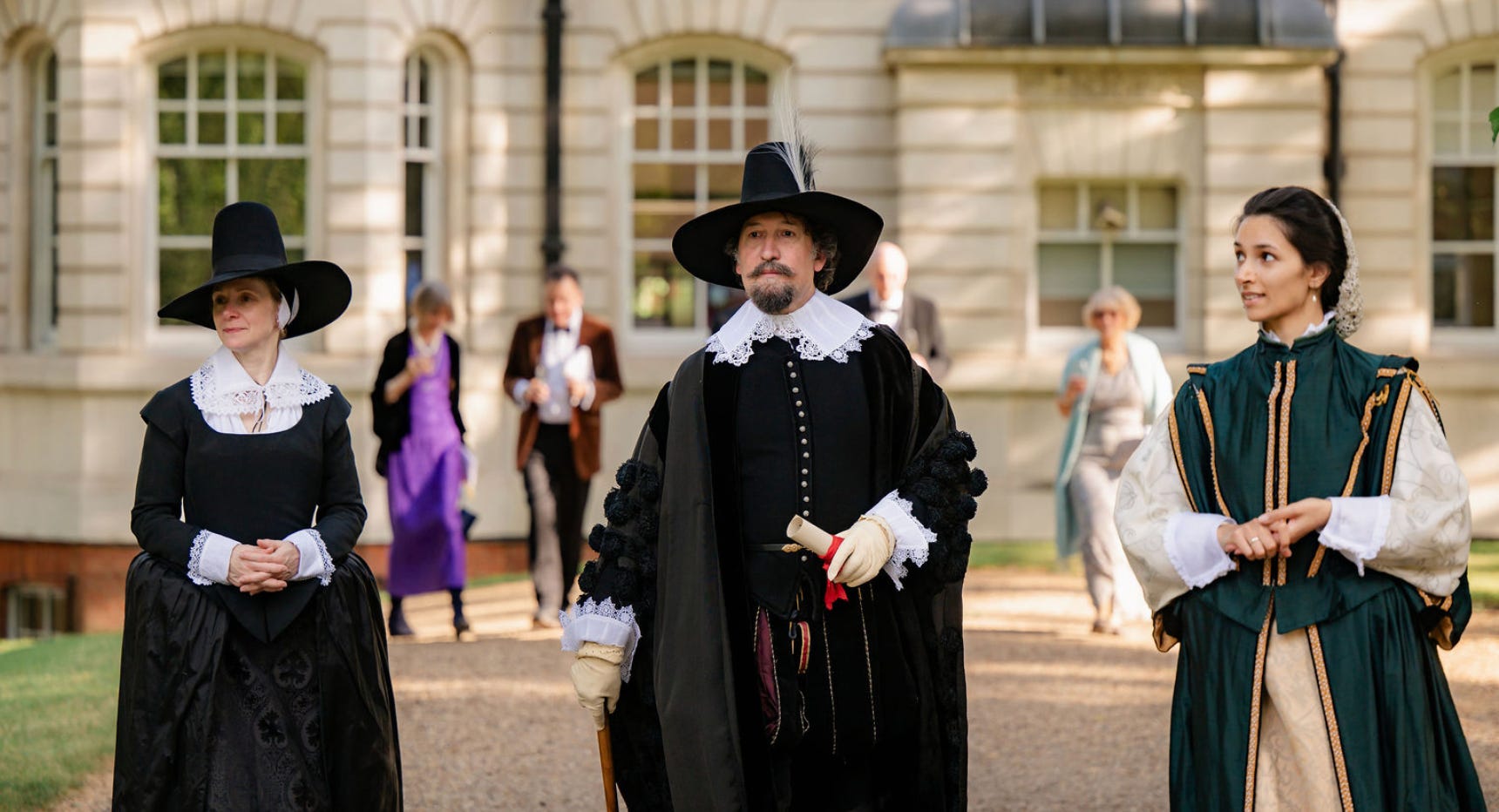
Who wrote Shakespeare? “I am not here to convince or argue the authorship question with you,” Sir Mark Rylance told an audience of lawyers last month. But, the actor continued, “I am convinced today, more than ever, after reviewing all the evidence I have studied for 37 years and after playing in over 50 productions of plays by Shakespeare and his contemporaries that the works of Shakespeare are intimately connected with Francis Bacon, and with the noble members and history of Gray’s Inn.”
Sir Francis Bacon was one of the most influential figures in British intellectual history and a lawyer whose life and career were deeply intertwined with the inn of court where he felt most at home. As I reported at the time, Gray’s held a dinner last month to mark the 400th anniversary of his death. Rylance was one of the guest speakers.

“I congratulate you,” he told members of the inn and their guests. “If the works of Shakespeare had not been attributed to the apparently uneducated and untravelled William Shagspar of Stratford upon Avon in 1623, I put to you that Sir Francis Bacon would be our primary suspect.”
Rylance acknowledged that this was a heretical position to take. But, he continued:
A heretic needs a religion, and the love of Shakespeare has become in many respects a religion, with an immortal god at its head. But still, it was a mortal man who created these immortal works — or perhaps it was some mortal men, and women too. Francis kept a group of writers he called his good pens, as did Mary Sidney, his neighbour as a child in York House.
By contrast, there was no evidence of Shakespeare’s education and very limited evidence of life experience. “You cannot write without revealing both,” Rylance said. “The parallels between the vocabulary, life experience and ideas of Shakespeare and Bacon, on the other hand, are striking.”
The claim that Bacon wrote Shakespeare first appeared in the 19th century and has been widely discredited since then. But Rylance believed that Bacon would be given his due by the time Gray’s marked the 500th anniversary of his death.
He was clearly delighted by his invitation to celebrate a tangible link with his hero. I’m told he stayed to the very end, happy to be photographed with other guests. As an honorary bencher of Gray’s myself, I’m sorry I wasn’t free that evening to join the celebrations in the gardens that Bacon first laid out.
Talking of actors, readers who have subscribed to this Substack since I launched it nearly six years ago may remember that in one of my more whimsical pieces in 2021 I worked in a reference to The Dock Brief, an early play by Sir John Mortimer than inspired him to create Rumpole of the Bailey. I found another opportunity to write about this cleverly plotted two-hander a year or so later.
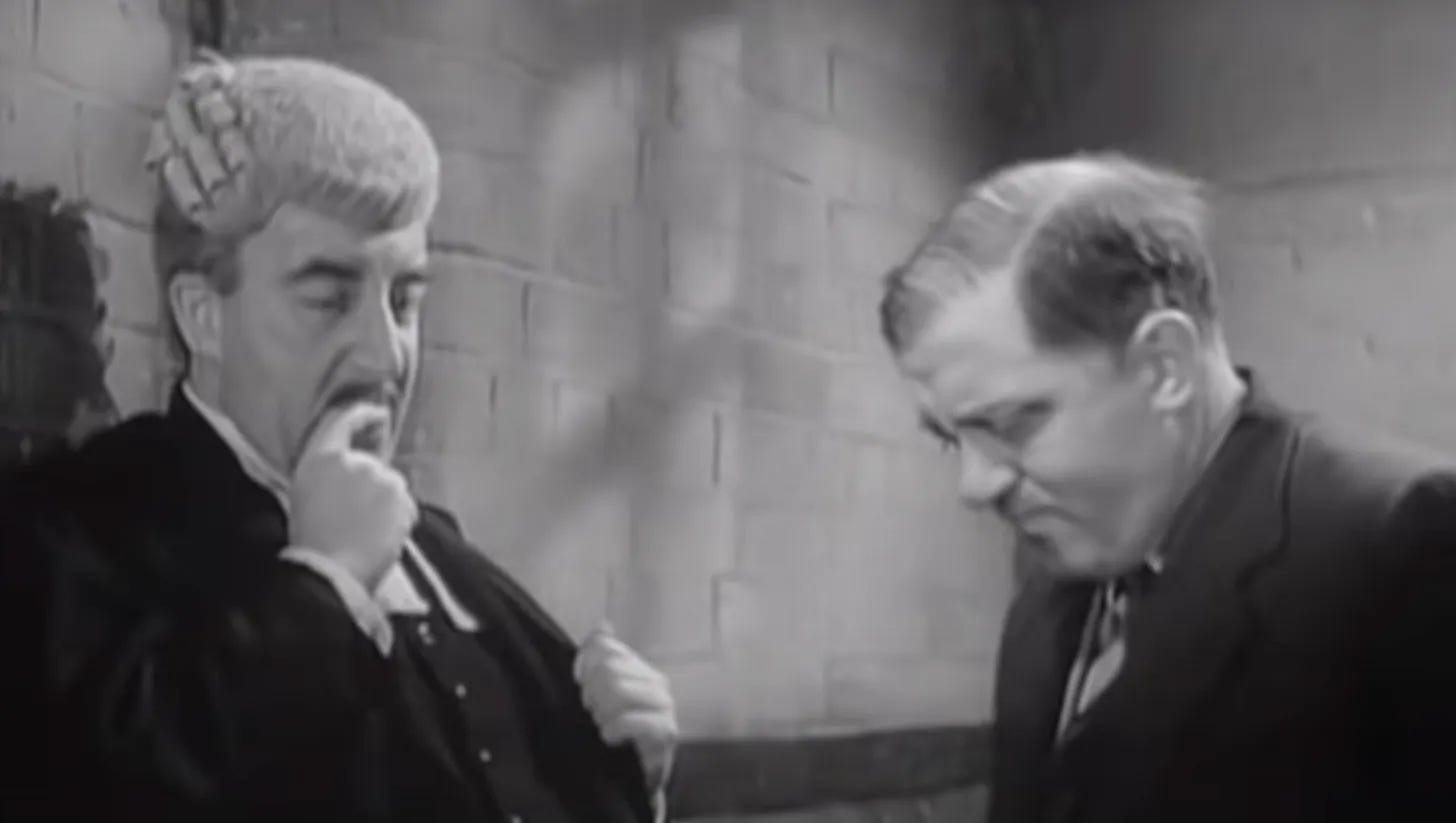
So I was delighted to see that the play is being revived, for one night only, as a fundraiser for the Kalisher Trust — about which I wrote on Monday.
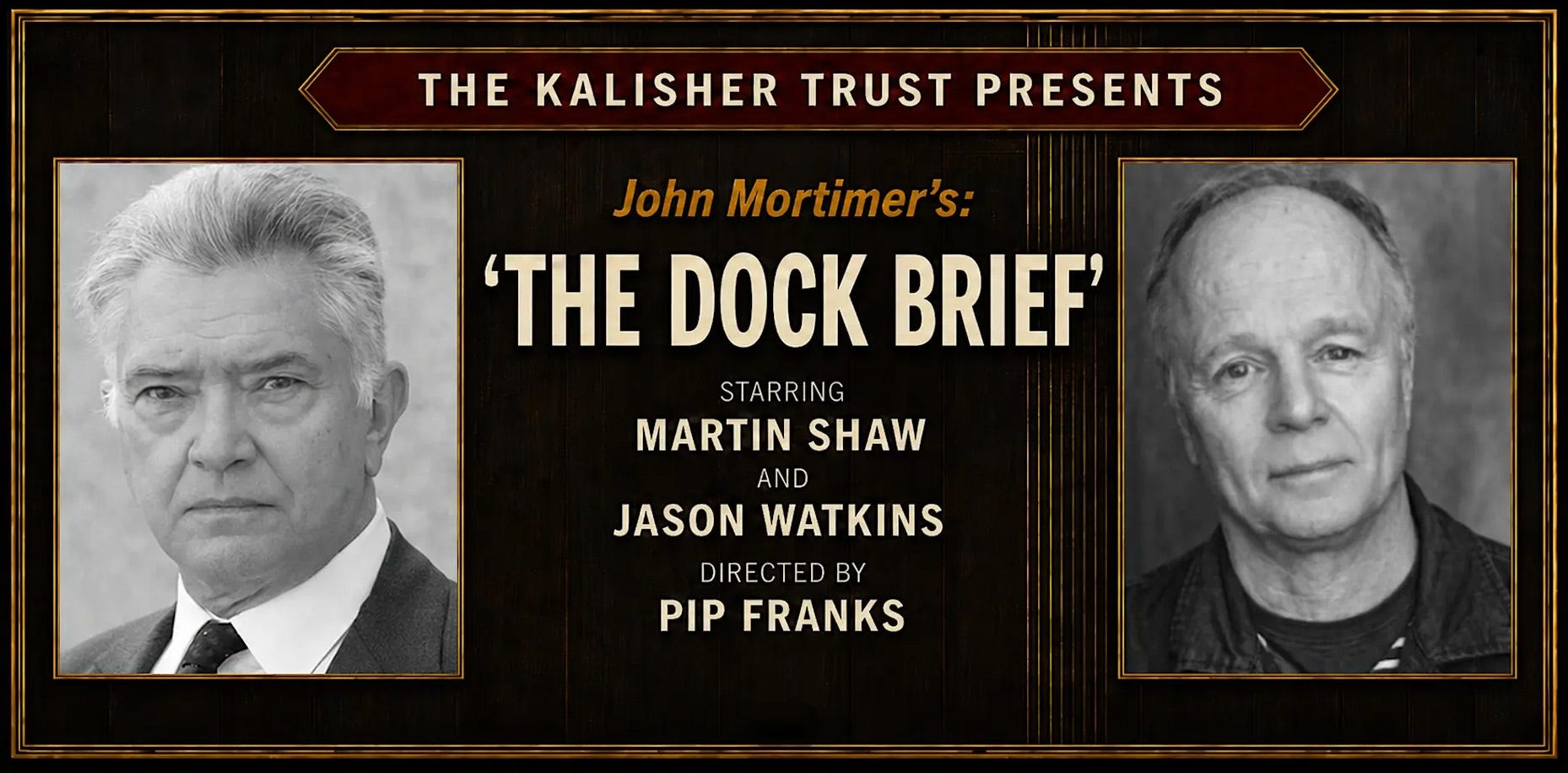
The reading in Middle Temple Hall on Sunday 26 July starts with a reception at 5.30pm. Tickets are still available.