
Trials without juries
What exactly is parliament being asked to do?

David Lammy’s courts and tribunals bill will be debated in the Commons next Tuesday, 10 March. The bill itself has received relatively little attention since it was published last Wednesday afternoon. Only a cynic would think the justice secretary was trying to distract attention from it by making a major speech and arranging a media briefing a day earlier in the news cycle.
As I reported on Friday, the lady chief justice was careful to steer clear of political engagement in her initial response. “Policy decisions are now with parliament as it considers the courts bill,” said Baroness Carr of Walton-on-the-Hill. “It will be a matter for politicians, not judges.”
However, Carr had been rather more forthcoming on jury reform before the present government came to power and put the issue on the political agenda. And judges generally regard it as proper to advise ministers of any technical problems arising from the way court reforms are drafted.
Those looking for a quick introduction to the bill should not rely too heavily on a government policy paper that makes tendentious assertions such as this:
Removing a defendant’s right to elect will bring the courts more into line with other public services — where it is the experts, in this case the courts, who do that triage, as opposed to the defendant.
Ministers should know that courts are not a public service which the government ultimately controls, like water or electricity. And “triage” is not an appropriate term for the judicial function, however hard the judges must currently work to keep the courts running.
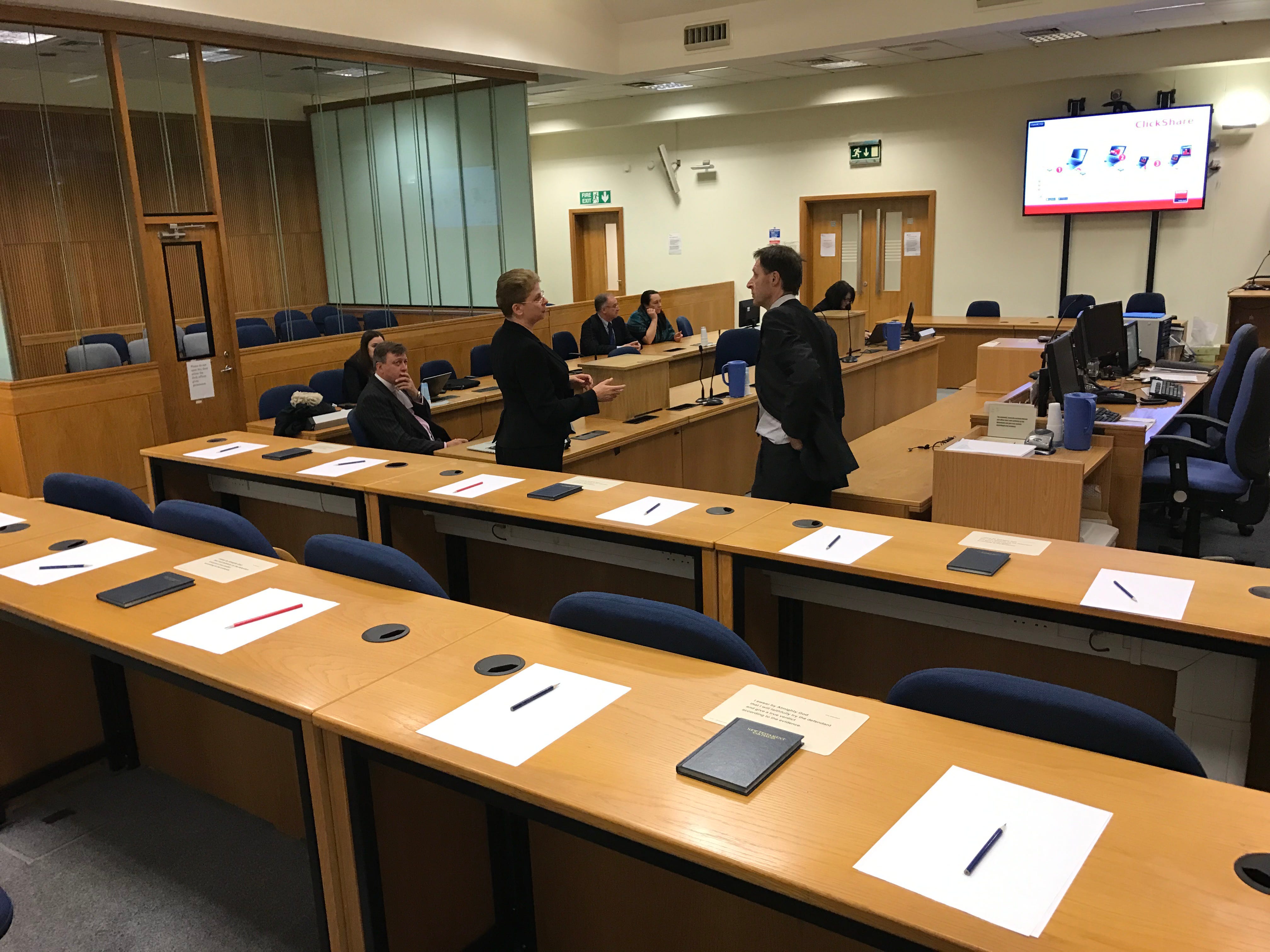
The policy paper also says that the government is “introducing a new tier of the crown court — the ‘bench division’.” In fact, the bill makes no mention of a bench division, still less of the “swift courts” that ministers have also promised. That’s because it’s fundamental to the government’s thinking that a trial by a judge alone in the crown court is just the same as a trial by a judge and jury — except that the judge must deliver a reasoned judgment.
Some government bills now begin with a statement of purpose, a simple resounding paragraph that introduces the measure and explains what it is intended to do. This is not one of them.
So we must turn instead to the government’s explanatory notes, which run to 70 pages. As usual, these appear to have been written in some haste by several hands. But they offer a policy background, a legal background and a clause-by-clause explanation of the bill’s provisions.
Ministers have published two impact assessments. The first, running to 40 pages, deals with the impact of structural reforms. The second, at 20 pages, relates to reforms in part 2 of the bill that do not arise from Sir Brian Leveson’s independent review of the criminal courts (IRCC).
There is also a human rights memorandum which, as expected, concludes that the bill is compatible with the right to a fair trial. A delegated powers memorandum reveals that the bill will create three new Henry VIII powers. And there’s a 60-page equalities statement.
Here is my analysis of the bill’s 20 clauses:
