
Tribunal judges face uncertainty
But successive governments could have solved the problem

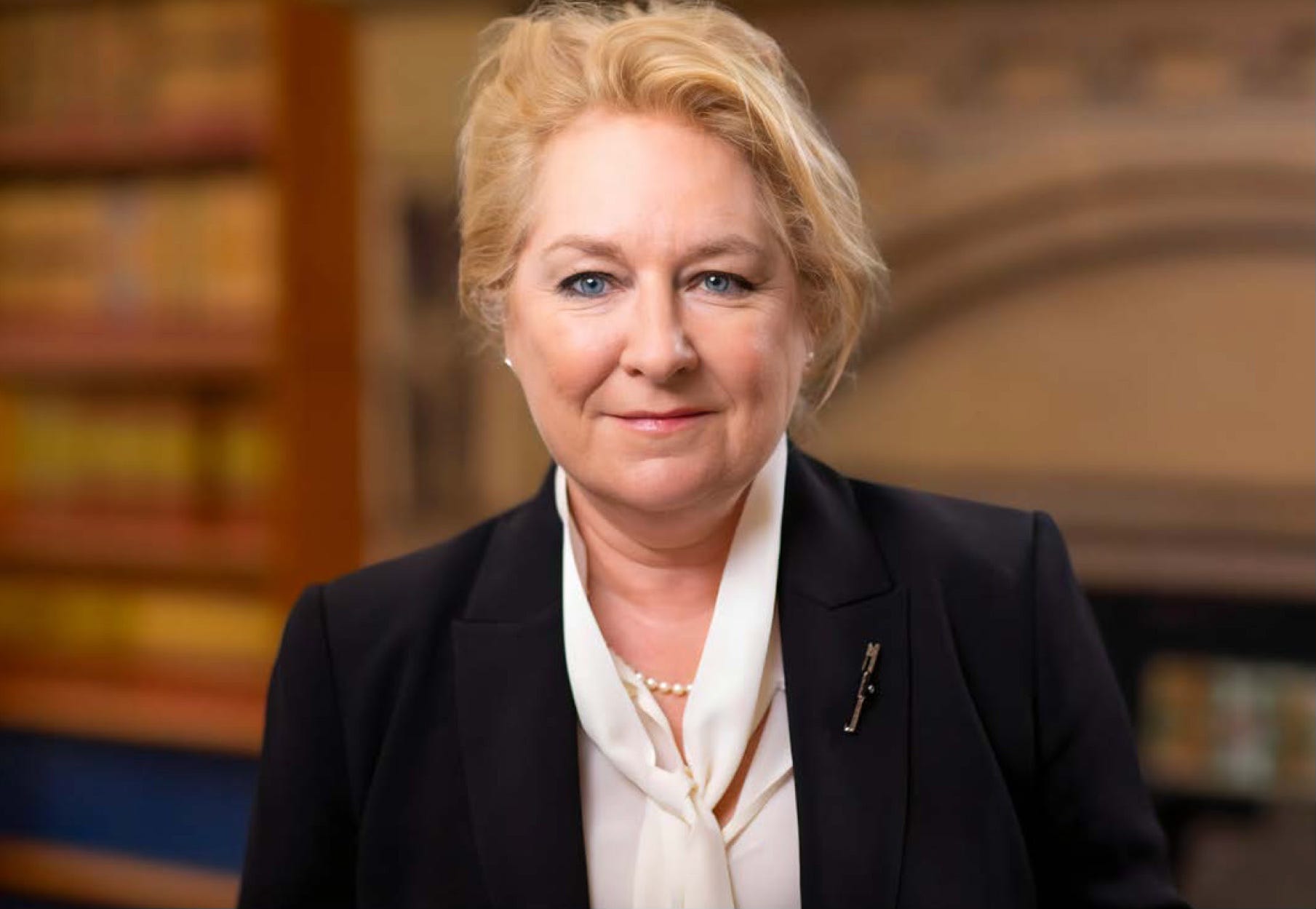
Morale among the tribunal judges is “fragile”, Baroness Carr of Walton-on-the-Hill said in an interview with The Times published at the weekend. The lady chief justice of England and Wales and her colleagues had received almost no notice of government plans to transfer asylum and immigration cases from the first-tier tribunal to a new appeals body.
Speaking to Frances Gibb — in the second media interview1 Carr has given since she appeared on the final episode of Law in Action last year — the lady chief justice said that tribunal judges were now facing an uncertain future.
As she had told the Commons justice committee on 25 November, the judiciary had been given just 24 hours’ notice a week earlier of the home secretary’s policy statement on asylum and returns.
The government said on 17 November:
We will expand the capacity of the appeals system by creating a new appeals body. Decisions on appeals will remain fully independent. The new body will be staffed by professionally trained adjudicators, with safeguards to ensure high standards. Early legal advice will be a core part of system reforms, avoiding delays and late claims, leading to better decisions.
It added:
We want to ensure that claimants will have a single appeal. If that appeal is unsuccessful, they will be required to leave the UK.
Reporters were given no further details. But Carr told MPs:
My understanding is that there will be a route of appeal to the upper tribunal from the independent body of adjudicators.
Constitutional reform
By chance, Carr had agreed to deliver a lecture on constitutional reform at Pembroke College, Oxford, three days after her appearance before the justice committee. It included some pointed remarks that could be seen as a response to the Home Office announcement — although the text of her lecture had clearly been prepared in advance with the assistance of Dr John Sorabji, who holds the long-standing but unofficial position of speechwriter to the judiciary.
Carr’s theme was summed up in her opening words: “reform in haste; repent at leisure”. She was referring specifically to the Constitutional Reform Act 2005, under which the chief justice replaced the lord chancellor as head of the judiciary and the Supreme Court replaced the House of Lords as the final court of appeal. By all accounts, there had been no consultation before the reforms were announced — either with the judiciary or within government itself.
Lord Falconer, the lord chancellor who had the job of getting the reforms through parliament 20 years earlier, accepted that prior discussions might have made things easier. But he had no regrets.
If the changes had been the subject of lengthy consultation before they were adopted as government policy, he doubted whether they would have got through at all. “The continuing commitment of the government to the changes was in part the result of the enormous row their announcement provoked,” Falconer told the Middle Temple Historical Society earlier this year.
In her Blackstone lecture at Pembroke College last month, the lady chief justice acknowledged that the constitutional settlement reached in 2005 had remained intact. But she thought a more systematic approach to constitutional reform would have avoided the need for amendments two years later.
That led Carr to make some innovative suggestions:
Some might say that our three existing High Court divisions no longer represent the work we actually do.
In the High Court, but also across the system, our judges hear broadly five categories of case: criminal cases, civil cases, family cases, business and property cases and administrative and tribunal cases.
Perhaps we should think about whether judicial leadership and the High Court divisions should not more accurately reflect the types of work that are actually being done by our courts in 2025.
If the Victorians could sweep away “the great common law and equity courts and [replace] them with a shiny, new unitary High Court” 150 years ago, then she thought we should not shy away from making significant systemic changes where necessary.
Pointing out that there are currently more than 150 separate judicial offices, she thought there was a case to be made for “most judges being appointed to only a very few categories, with regional deployment and jurisdiction-specific ticketing — and softer boundaries between the High Court and the county court”.
But as Carr is well aware, even the simplest structural changes may be too challenging for ministers.
In May 2023, the Conservative lord chancellor Alex Chalk proposed unifying the courts and tribunals of England and Wales. As he said in a consultation paper, the government and judiciary were agreed that
a unified leadership model could help to deliver greater cohesion between the tribunals and the courts, as well as affording more flexibility in the system.
A single, unified courts and tribunals judiciary in England and Wales will promote efficiency and consistency in our justice system, build an inclusive collegiate structure and increase opportunities for cross-deployment between the courts and tribunals.
Chalk’s consultation closed in July 2023. The Conservative government was still “analysing responses” when the general election was called a year later. Though the present government wants to reform the criminal courts, it has said nothing about unifying the courts and tribunals.
Comment
Had that reform been implemented, it would have been easier to redeploy those asylum and immigration judges who were told that last month that their specialised expertise would no longer be needed.
Her first print interview was with the Financial Times in June. Sorry to have overlooked this in the original version of this piece.